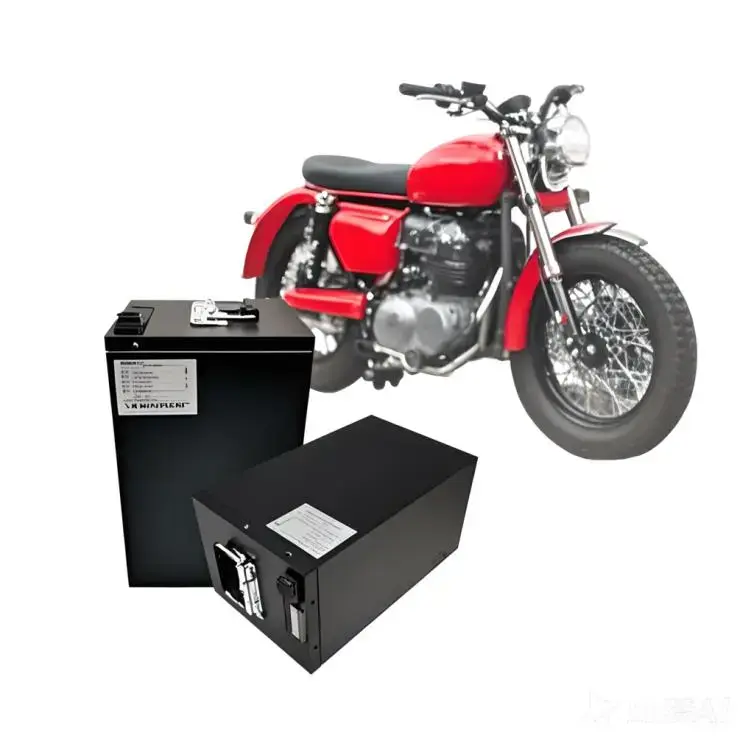


Against the backdrop of the rapid proliferation of the global Internet of Things (IoT) and intelligent positioning systems, various intelligent tracking terminals such as GPS trackers, pet locators, logistics trackers, and car anti-theft devices are becoming deeply embedded in people's daily lives and commercial operations. From the precise transportation and scheduling of express parcels to the anti-loss and anti-theft protection of personal property, the core value of tracker technology has become increasingly prominent. The key component that supports the continuous power supply and ensures the stable operation of such devices is the "tracker battery" — compact in size yet subject to stringent performance requirements.
Compared with ordinary consumer electronic products, tracker batteries are usually limited by compact installation spaces, but they need to meet the dual requirements of long-term battery life and stable operation in extreme environments such as high and low temperatures. However, the industry has long been plagued by technical pain points such as battery swelling, liquid leakage, low-temperature failure, and short charge-discharge cycle life. These issues not only pose challenges to the production and R&D of equipment manufacturers but also directly affect the user experience of end-users. Against this background, selecting a safe, reliable, and high-performance tracker battery has become a crucial factor in determining a product's market competitiveness and brand reputation.

Tracker batteries are core components that power various tracking devices and are widely used in products such as GPS locators, pet trackers, car anti-theft devices, logistics asset tracking devices, devices to prevent the loss of children/the elderly, and portable personal positioning terminals. Such devices generally feature small size and decentralized deployment, and often need to operate independently for days, weeks, or even months without relying on external power sources. Therefore, within a limited size range, tracker batteries must simultaneously achieve core characteristics such as high energy density, low self-discharge rate, stable output, and long standby time.
In terms of functional principle, trackers primarily receive satellite signals and transmit data via communication networks to achieve real-time positioning. Core functional modules such as GPS chips, communication modules, microcontrollers, Bluetooth, or Wi-Fi have extremely high requirements for power supply stability. Once the battery power supply is interrupted, the device will directly lose its tracking capability, which not only affects asset security and user experience but may even cause property losses and brand reputation risks. Thus, the battery is not merely a simple "power supply module" but the "energy core" that ensures the stable operation of the entire tracking system.
Despite their small size, tracker batteries bear the "energy lifeline" of the entire positioning system. Different from ordinary consumer electronic products, trackers are used in diverse and complex scenarios, so they have more comprehensive performance requirements for batteries. Specifically, the following five core requirements must be met:
The typical working mode of a tracker is "long-term online but low-frequency activation". Most devices only start working when triggered or when uploading location data at preset intervals. This characteristic requires the battery to have ultra-long standby capacity, minimizing the frequency of charging or replacement, to ensure the device can operate continuously for weeks or months and meet the application needs of long-term unattended operation.
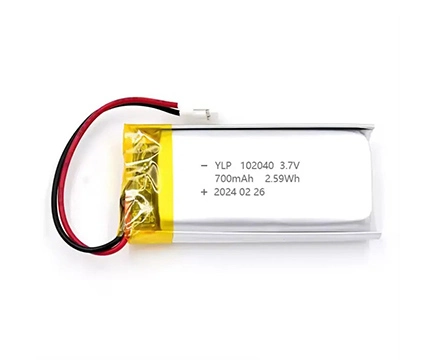
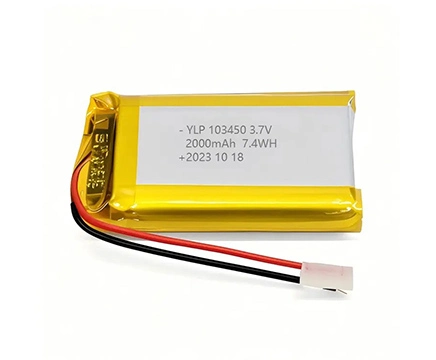
Trackers are installed in a wide variety of scenarios, often in space-constrained locations such as pet collars, children's schoolbags, vehicle interiors, and cargo packaging. This places strict requirements on the size and weight of the battery. The battery must not only have the physical characteristics of being thin, light, and portable but also be easy to integrate with PCB boards and circuit modules, and even adapt to the needs of devices with special-shaped structures. Against this backdrop, customizable lithium-ion batteries (especially polymer lithium-ion batteries with flexible structures) have become the mainstream choice in the industry.
A large number of trackers need to be deployed outdoors or in extreme environments, such as vehicle chassis, containers, and livestock collars. This requires the battery to have excellent adaptability to a wide temperature range: in low-temperature environments, it must discharge normally at -20℃ or even -30℃; in high-temperature environments, it must maintain stable operation at 60℃, to ensure the device can operate reliably under different climatic conditions.
As the power core of unattended devices, the safety of tracker batteries is of utmost importance. Once problems such as swelling, liquid leakage, short circuit, or overheating occur, it may not only cause the device to be completely inoperable but also trigger safety accidents such as fires. Therefore, batteries must pass relevant safety certifications and tests in various countries and regions, and be equipped with a sound safety protection mechanism.
After deployment, trackers often need to operate without manual intervention for a long time, which places extremely high requirements on the reliability of the battery. On the one hand, the battery must have excellent anti-aging performance to ensure a cycle life of more than 500 times; on the other hand, it must have a low self-discharge characteristic to avoid significant capacity attenuation due to long-term storage, ensuring the device can start normally after long-term standby.
With the rapid development of the tracker market, the types of devices have become increasingly diverse, and the choice of batteries has also shown a diversified trend. Currently, mainstream tracker batteries on the market can be divided into two major categories: "primary batteries (non-rechargeable)" and "rechargeable batteries". Different types of batteries have significant differences in advantages, disadvantages, and applicable scenarios:
• Primary Batteries: As the mainstream power source for early simple GPS trackers, they mainly include alkaline batteries, zinc-carbon batteries, and primary lithium batteries (Li-SOCl₂, Li-MnO₂). Among them, primary lithium batteries are the most widely used due to their performance advantages. However, limited by their "non-rechargeable" nature, they are gradually unable to meet the needs of environmental protection and cyclic use.
• Rechargeable Batteries: With technological progress and increased environmental requirements, rechargeable batteries have become the industry mainstream, represented by lithium-ion batteries (Li-ion) and lithium-polymer batteries (Li-Po). Some low-cost solutions still use nickel-metal hydride (Ni-MH) batteries, but they are gradually being eliminated by the market due to performance shortcomings.
The following is a detailed performance comparison of various types of tracker batteries:
Battery Type | Representative Models | Key Advantages | Key Disadvantages | Typical Application Scenarios |
Alkaline Battery | AA/AAA/9V | Low cost, easy access | Low capacity, high self-discharge, non-rechargeable | Disposable locators, low-cost pet tags |
Zinc-Carbon Battery | AA/AAA | Extremely low price | Low voltage, prone to leakage | Simple disposable logistics positioning stickers |
Primary Lithium Battery | ER14250, CR123A | High energy density, excellent temperature resistance | Non-rechargeable, high unit cost | Military locators, long-cycle container trackers |
Nickel-Metal Hydride (Ni-MH) Battery | AA/AAA/NH123 | Rechargeable, mature tech | Low energy density, poor low-temperature performance | Old civil tracker systems |
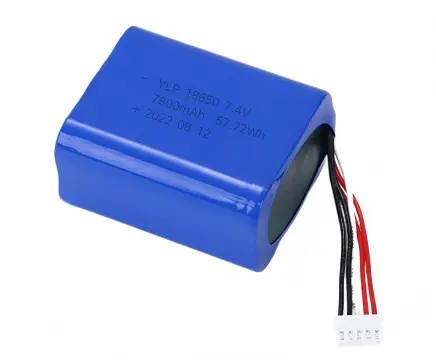
Lithium-Ion (Li-ion) Battery | 18650, 14500, 21700 | High energy density, long cycle life | Fixed size | Medium-sized car locators, industrial positioning devices |
Lithium-Polymer (Li-Po) Battery | 584070,606090 | Customizable size, lightweight | Slightly higher production cost | Smart pet locators, magnetic mini trackers |
Lithium Iron Phosphate (LiFePO4) Battery | 32700, 26650, 32140 | High safety, long cycle life | Slightly higher manufacturing cost | Solar-powered trackers, cross-border container trackers |
Over the past three decades, lithium-ion battery technology has advanced by leaps and bounds and has been widely used in fields such as power banks, smartphones, laptops, and electric vehicles. Today, this technological trend is rapidly extending to the tracker industry — more and more equipment manufacturers are abandoning traditional primary battery solutions and turning to rechargeable lithium-ion batteries as the core power source. Its core advantages can be summarized in the following four points:
"Long-term online operation" is a core functional requirement of trackers. The volumetric energy density of lithium-ion batteries can reach 550–650Wh/L, which is significantly higher than that of traditional Ni-MH and alkaline batteries. Without increasing the size, lithium-ion batteries can greatly increase the battery capacity: for example, a small 300mAh lithium-ion battery combined with a low-power module can support the device to operate continuously for more than two weeks, while a Ni-MH battery of the same size can only last for a few days. This fully meets the long-term battery life needs of trackers.
As trackers develop towards miniaturization and concealment, the structural space of devices has become increasingly compact. Lithium-ion batteries (especially soft-pack polymer lithium-ion batteries with flexible packaging) can be flexibly customized in size and shape according to the product form, supporting ultra-thin, curved, long-strip, or special-shaped packaging. This greatly improves the flexibility of device design. Whether it is a pet collar, a wrist-worn tracker, or a magnetic asset locator, lithium-ion batteries can achieve perfect adaptation, effectively solving the technical pain point of "fixed size and limited assembly" of traditional batteries.
To meet the needs of deploying trackers in outdoor and extreme environments, lithium-ion batteries can achieve characteristics such as wide temperature range and corrosion resistance by optimizing the positive and negative electrode materials, electrolyte formula, electrode structure design, and packaging method. Currently, customized lithium-ion batteries can meet the strict requirements of discharging at -40℃ and operating at 60℃, easily coping with complex application scenarios such as vehicle chassis, containers, and remote areas, and ensuring the stable operation of devices under different environmental conditions.
With the advancement of the "dual carbon" strategy and the constraints of environmental regulations such as the EU's RoHS and REACH, the environmental friendliness and recyclability of electronic products have received increasing attention. Primary batteries are subject to usage restrictions in many countries due to their non-recyclable nature, severe pollution, and high disposal costs. In contrast, lithium-ion batteries can be reused repeatedly (with a cycle life of more than 500 times), which not only reduces the amount of waste batteries and alleviates environmental burdens but also helps users save costs on long-term battery replacement. This is in line with the concepts of green supply chains and sustainable development.
Amid the rapid development of the tracker industry, batteries are no longer simple "standard components" but core system components that impact product performance and safety. Improper supplier selection may lead to substandard product performance, frequent post-sales issues, project delays, or even product recalls. Therefore, when selecting suppliers, the following four core dimensions should be focused on:
A high-quality battery supplier should not only have complete production capabilities but also a comprehensive R&D service system — including collaborating with customers on customized development, providing professional technical guidance, and reserving cutting-edge battery technologies. When selecting a supplier, enterprises should focus on examining the supplier's R&D team configuration (such as the number of R&D personnel and their professional backgrounds), the proportion of annual R&D investment, and the reserve of core technology patents, to ensure that the supplier can provide customized battery solutions according to the specific needs of the tracker.
Battery quality is directly related to device safety and user experience. Therefore, suppliers must establish a full-process quality management system covering key links such as IQC (Incoming Quality Control), IPQC (In-Process Quality Control), and FQC (Final Quality Control), and have a complete set of safety testing capabilities (such as overcharge, over-discharge, short circuit, and high-low temperature cycle testing). At the same time, suppliers must obtain authoritative certifications such as UN38.3, MSDS, IEC62133, CE, and RoHS to ensure the safety and consistency of products and avoid risks caused by quality problems.
Tracker products have a fast update and iteration speed, and the demand for batches fluctuates greatly. Especially in the initial trial production stage, the requirements for small-batch delivery and delivery time are extremely high. High-quality suppliers should have flexible production capacity management capabilities and rapid prototyping capabilities: on the one hand, they can shorten the prototype delivery cycle to meet the customer's needs for rapid verification; on the other hand, they can achieve stable supply during the mass production stage, avoiding the impact on the customer's production scheduling plan due to insufficient production capacity or delivery delays.
As chemical energy products, batteries may experience failures during use due to environmental factors, operation methods, structural compatibility, and other issues. Therefore, suppliers should have fast-response after-sales service capabilities: they can promptly assist customers in troubleshooting power-related abnormalities, provide failure analysis reports, and offer targeted solutions, and even provide on-site technical support under special circumstances to ensure the stable operation of the customer's products.
Although lithium-ion batteries have become the mainstream choice for tracker power sources, as a chemical energy system relatively sensitive to usage conditions, they may experience performance degradation, shortened battery life, or even safety hazards such as swelling, leakage, and thermal runaway during long-term operation in complex environments. This can result from improper operation or poor design. Therefore, the following specifications should be followed throughout the entire process from product design to end-user usage:
In the early stage of product structural design, it is necessary to clarify the core indicators of the battery (such as voltage, capacity, rate, and usage environment), determine the battery size based on this, and reserve sufficient battery compartment space — especially for soft-pack lithium-ion batteries (flexible packaging), to avoid extrusion deformation due to overly tight assembly. At the same time, if the tracker integrates heat sources such as GPS and communication modules, direct contact between the battery and high-heat components should be avoided. If necessary, thermal insulation materials or open-hole heat dissipation structures should be designed to prevent high-temperature environments from affecting battery performance.
Battery storage must comply with strict environmental requirements: the ideal storage temperature is 20–25℃, and the relative humidity is <60%. Extreme conditions such as exposure to sunlight, high temperature, and humidity should be avoided. For long-term storage, it is recommended to maintain the battery power at 30%-50% and check the power status regularly to prevent permanent capacity loss due to excessive self-discharge.
During the production and assembly process, focus should be placed on battery safety: batteries that have fallen to the ground should be tested individually, and can only be put into use after confirming that there is no damage; the terminals of lithium-ion batteries are mostly FPC (Flexible Printed Circuit) or nickel strip structures. During welding and wiring, repeated bending or pulling should be avoided to prevent wire breakage or poor contact, which may affect the stability of power supply.
End-users must be clearly informed to use the original charger to charge the tracker, and ensure that the voltage and current of the charger match the battery parameters — to avoid damaging the battery cells or protection board due to overvoltage or overcurrent charging, prolong the battery life, and reduce safety risks.
Shenzhen Yilai Power Technology Co., Ltd. is a specialized provider of customized lithium-ion batteries, focusing on R&D, production, and sales. With years of experience in the tracker battery field, it has end-to-end service capabilities, from cell selection and structural design to system integration, providing high-quality, customized tracker battery solutions for global customers.
Customized R&D Capabilities: Equipped with 32 professional R&D engineers, it provides "one-on-one" engineering team support. According to the customer's product needs, it conducts collaborative development work such as battery selection recommendations, structural matching evaluation, and sample verification, and quickly responds to customized needs.
Large-Scale Production Strength: It has a modern production base of over 5,000 square meters, equipped with multiple fully automated PACK production lines, and has more than 200 employees. It has stable large-scale mass production capabilities, while supporting small-batch flexible orders.
Authoritative Certifications and Quality Assurance: All products have obtained international authoritative certifications including UN38.3, MSDS, IEC62133, CE, and RoHS. A full-process quality control system has been established to ensure the safety and consistency of every battery unit.
Efficient Delivery and After-Sales Service: The company is equipped with rapid prototyping capabilities, enabling short lead times for initial samples. During the mass production phase, it can achieve stable supply to support customers’ production scheduling plans. Meanwhile, it provides 24/7 after-sales service, with quick responses to needs such as fault diagnosis and failure analysis, safeguarding the stable operation of customers’ products.
Yilai Power’s tracker battery solutions have been widely applied in fields including GPS locators, pet trackers, car anti-theft devices, logistics asset tracking devices, and devices to prevent the loss of children/the elderly. It has established long-term and stable cooperative relationships with numerous industry customers, and has won extensive market recognition by virtue of professional technology, reliable quality, and efficient services.
To learn more about customized tracker battery solutions, please contact Shenzhen Yilai Power Technology Co., Ltd. We will provide you with exclusive energy solutions to help enhance the core competitiveness of your products!
 en
en
 English
  français
  Deutsch
  Español
  italiano
  português