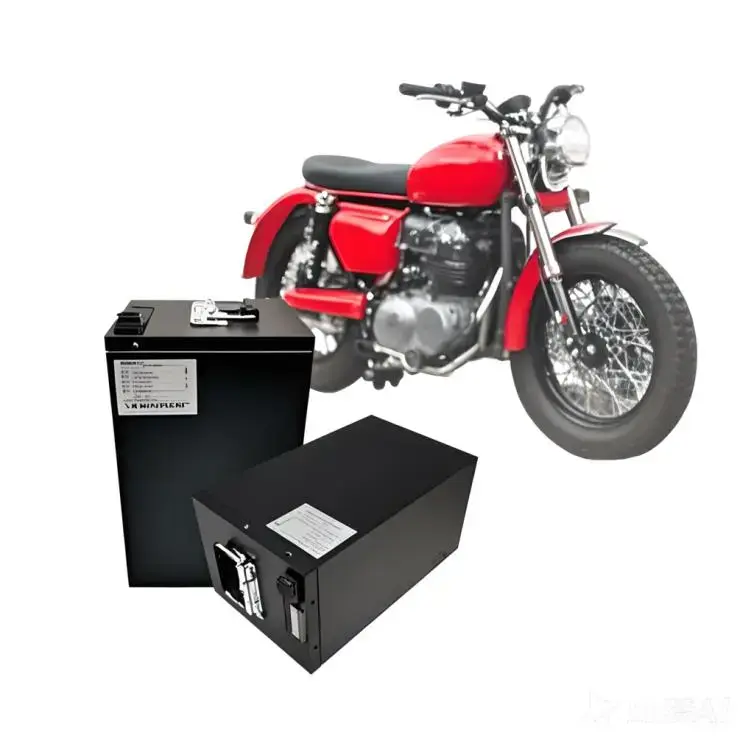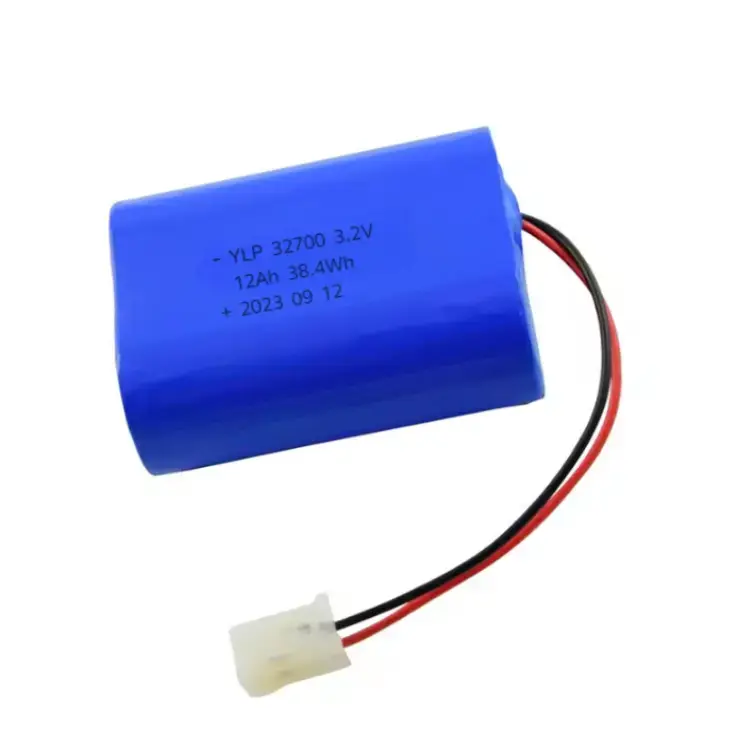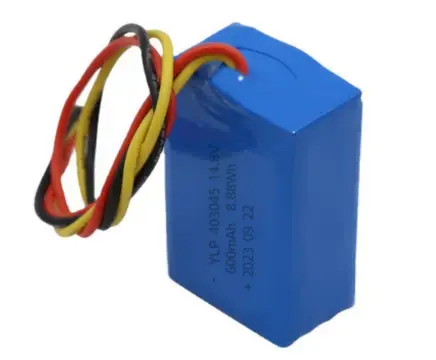


Lithium-ion batteries have become the power source of choice for modern portable electronics, industrial devices, and many energy storage applications because they combine high energy density, rechargeability, and flexible design options. Choosing the right battery, however, is not just about capacity or price; it requires matching chemistry, voltage, size, discharge rate, safety expectations, and application conditions.
This guide explains what lithium-ion batteries are, how they work, which types are commonly used, and how to choose the right model for your application. It also outlines why Yilai Power is a practical partner for globally buyers seeking customized rechargeable battery solutions.
Lithium-ion batteries are rechargeable batteries that store and release energy through the movement of lithium ions between the anode and cathode. During charging, ions move in one direction; during discharging, they move back, allowing the battery to repeatedly store electrical energy and deliver it when needed. Compared with older battery technologies, lithium-ion batteries are valued for high energy density, relatively low self-discharge, and strong design flexibility. That is why they are widely used in consumer electronics, power tools, mobility products, backup power, and industrial systems.
A lithium-ion battery is made up of five core parts: the anode, cathode, separator, electrolyte, and current collectors. The electrolyte carries lithium ions between the electrodes, while the separator blocks direct electron flow inside the cell. When the battery discharges, lithium ions move from the anode to the cathode through the electrolyte, and electrons travel through the external circuit to power the device. When charging, the process reverses as an external power source pushes the ions back to the anode. In simple terms, the battery works because ions move internally and electrons move externally. That controlled movement is what makes lithium-ion technology both rechargeable and efficient.
Different lithium-ion battery models are designed for different performance priorities. The right choice depends on whether your application needs higher energy density, stronger safety, longer cycle life, lower cost, or better low-temperature performance.
| Battery type | Main advantages | Typical applications |
| Lithium cobalt oxide (LCO) | High energy density, compact size | Smartphones, laptops, portable consumer electronics pkcell |
| Lithium manganese oxide (LMO) | Better thermal stability, good power output | Power tools, medical devices, some mobility products |
| Lithium nickel manganese cobalt oxide (NMC) | Balanced energy, power, and cycle life | E-bikes, energy storage, industrial devices |
| Lithium iron phosphate (LiFePO4) | High safety, long cycle life, stable performance | Solar storage, UPS, industrial and commercial storage |
| Lithium polymer (Li-Po) | Thin, lightweight, flexible form factor | Wearables, drones, slim consumer devices |
Yilai Power's portfolio includes lithium polymer batteries, cylindrical lithium-ion batteries, and lithium iron phosphate batteries to support diverse application scenarios.
The best battery choice starts with the end use. A battery for a handheld electronic device should not be selected using the same criteria as a battery for a storage system or industrial machine. Use the following factors to evaluate your options:
Yilai Power focuses on customized lithium battery solutions for a wide range of industries, including consumer electronics, smart devices, medical equipment, solar energy, and security products. The company states that it offers lithium polymer, lithium-ion, lithium iron phosphate, and sodium-ion battery products, along with OEM and ODM customization services. For B2B buyers, the main advantages are practical rather than promotional:
Application coverage. Its batteries are positioned for consumer electronics, power tools, e-mobility, energy storage, and industrial use.
Lithium polymer batteries are a type of lithium-based rechargeable battery that typically uses a pouch-style structure and offers greater flexibility in shape, while standard lithium-ion batteries are often associated with cylindrical or prismatic cell formats.
LiFePO4 batteries are widely recognized for long cycle life and strong thermal stability, which makes them popular for storage and industrial applications.
Lithium-ion batteries are safe when properly designed, manufactured, tested, and used within their operating limits. Safety depends on cell chemistry, battery management, thermal design, and compliance with recognized standards such as IEC 62133 and UN38.3.
For compact consumer devices, lithium polymer or lithium cobalt oxide batteries are often used because they support slim designs and high energy density.
Yes. Yilai Power states that it provides customized battery packs according to customer needs and supports OEM and ODM solutions.
Start with your required voltage, capacity, size, discharge rate, expected cycle life, operating temperature, and certification needs. Sharing this information with the supplier helps narrow down the right cell chemistry and pack structure quickly.
 en
en
 English
  français
  Deutsch
  Español
  italiano
  português