

In today’s fast-evolving world of electronics and energy storage, choosing the right battery technology is more important than ever. Whether you're powering a laptop, electric bike, or smart device, the decision between lithium-ion (Li-ion) and lithium-polymer (Li-Po) batteries can directly impact performance, safety, and cost.
Both technologies are widely used, yet they differ in structure, efficiency, and application suitability. This article explores their key differences, performance characteristics, safety considerations, and cost factors to help you make an informed decision.
Lithium-ion and lithium-polymer batteries share the same fundamental chemistry but differ in design and construction.
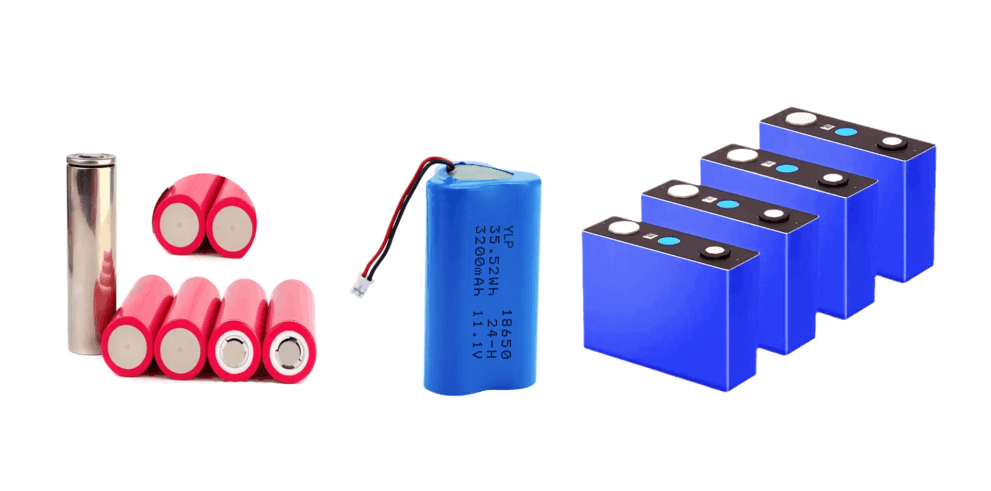
Lithium-ion batteries use a liquid electrolyte, which enables efficient energy transfer and supports higher energy density and longer lifespan. This is why they are commonly used in laptops, power tools, and electric vehicles.
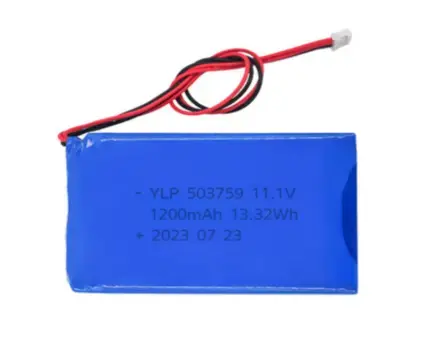
In contrast, lithium-polymer batteries use a gel-like or solid polymer electrolyte, allowing for flexible shapes, lighter weight, and ultra-thin designs. These features make them ideal for smartphones, drones, and wearable devices.
When it comes to long-term performance, lithium-ion batteries typically take the lead.
They offer higher energy density and longer cycle life, often lasting 500–2000 charge cycles depending on the chemistry and usage conditions. Lithium-polymer batteries, while capable of high discharge rates and fast charging, generally have a shorter lifespan (around 300–1000 cycles) and may degrade faster under heat or heavy use. For applications requiring consistent, long-term power, lithium-ion is usually the more reliable choice. However, for compact, high-performance devices, lithium-polymer remains highly competitive.
The form factor is perhaps one of the most visible differences between lithium-ion and lithium-polymer batteries. Lithium-ion batteries often come in cylindrical or rectangular shapes, which limits their use in finely designed portable devices. In contrast, lithium-polymer batteries are thin and can be molded into various shapes, making them a preferred choice for smartphones and tablets where space and weight are critical considerations.
Considering real-world applications, batteries used in mobility solutions such as electric bikes or wheelchairs highlight this distinction. A lithium-polymer battery may reduce overall weight, significantly enhancing portability and user experience, whereas a lithium-ion battery might provide greater longevity but at the cost of weight and bulk. Yilai Power's adaptable battery solutions cater to both markets, allowing for specific configurations based on unique consumer needs while maintaining optimal performance.
Safety is a critical factor when selecting any battery.
Lithium-polymer batteries are often considered inherently safer, as their gel electrolyte reduces the risk of leakage and improves resistance to mechanical stress.
Lithium-ion batteries, while highly reliable, rely on battery management systems (BMS) to prevent overheating, overcharging, and thermal runaway.
Safety largely depends on manufacturing quality and proper usage. At Yilai Power, every battery undergoes strict quality control and complies with global certifications such as CE and RoHS, ensuring consistent safety and performance.
From a cost perspective, lithium-ion batteries generally hold an advantage due to their lower production costs and longer lifecycle. Typically, they are more affordable for mass-market applications. Lithium-polymer batteries tend to carry a higher price tag due to their complex manufacturing processes and versatility. However, this higher cost can be justified by the innovative design and flexibility they offer.
For consumers and businesses contemplating battery options, it’s essential to perform a comprehensive cost-benefit analysis. While lithium-ion provides efficiency for long-term use, the appeal of a lighter, adaptable lithium-polymer battery can be worth the premium in niche applications. Yilai Power's competitive factory-direct pricing for customizable battery solutions allows buyers to effectively choose the technology that best fits their budget while meeting their application requirements.
So, which battery is better?
It depends on your application:
Choose lithium-ion batteries for higher energy density, longer lifespan, and cost efficiency
Choose lithium-polymer batteries for lightweight design, flexibility, and compact form factors
As a trusted lithium battery manufacturer, Yilai Power delivers both lithium-ion and lithium-polymer solutions tailored to diverse application needs. Whether you require long-lasting energy storage or compact high-performance batteries, we provide reliable power solutions you can depend on.
 en
en
 English
  français
  Deutsch
  Español
  italiano
  português