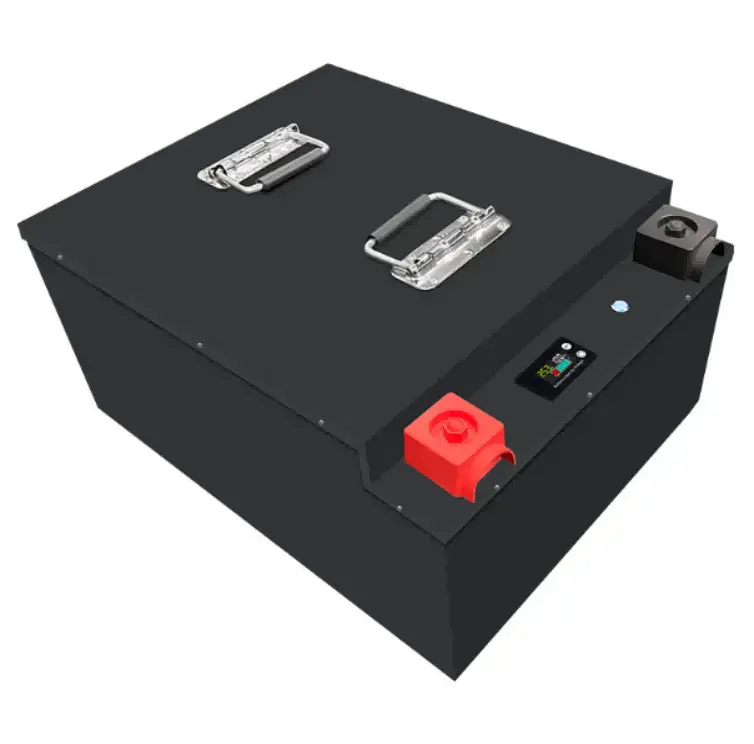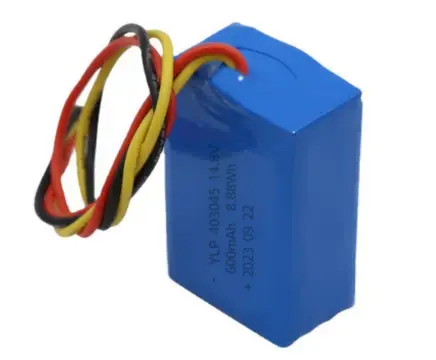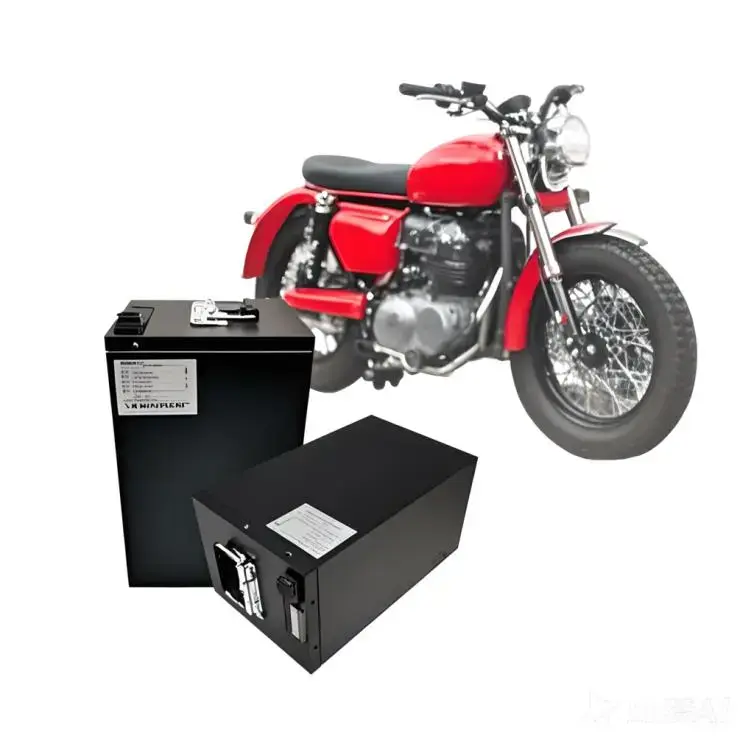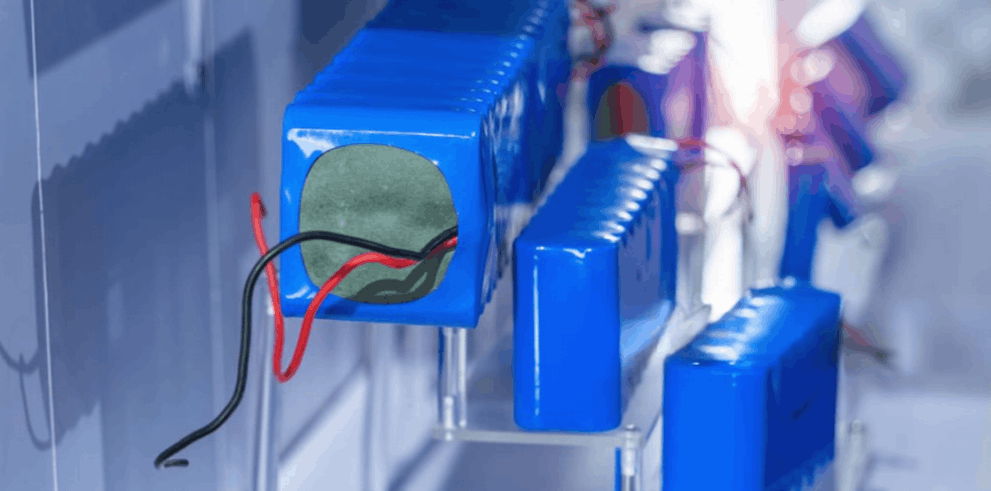


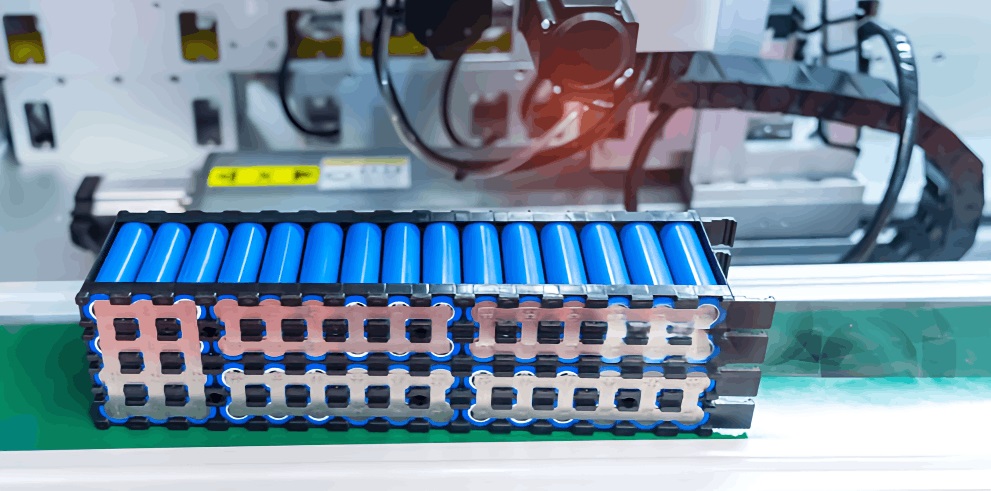
The 32700 LiFePO₄ battery pack (6000mAh 8S1P 25.6V) is a highly efficient energy solution for medium and small-scale equipment. It is widely applicable to scenarios such as solar energy storage, power tools, and marine equipment. This article provides a comprehensive selection guide for 32700 battery packs, covering parameter analysis, runtime calculation, safety certifications, and other key considerations.
The 32700 cylindrical cell (32 mm diameter × 70 mm length), as an upgraded version of the 18650 cell, achieves significant improvements in both size and performance:
Higher Capacity: Single-cell capacity of 4500–6000mAh, 1.5–2 times that of an 18650 cell of similar volume.
Structural Optimization: Reinforced steel shell design (approx. 0.35 mm), improving impact resistance by 40%.
Weight Advantage: Approx. 150g per cell, 60% lighter than equivalent-capacity lead-acid batteries.
The pack adopts LiFePO₄ cathode material with the following characteristics:
Crystal Stability: The olivine structure resists decomposition at high temperatures, fundamentally preventing thermal runaway.
Cycle Life: At 1C charge/discharge, capacity retention ≥80% after 3000 cycles.
Safety Verification: Successfully passes rigorous tests including nail penetration, compression, and overcharge.
According to Global Energy Storage Battery Market Forecast 2023–2028, the adoption rate of 32700 LiFePO₄ batteries in medium- and small-scale storage systems is growing at an annual rate of 27%.
| Parameter Category | Technical Specification | Test Condition |
|---|---|---|
| Nominal Voltage | 25.6V (3.2V × 8) | 25℃ |
| Rated Capacity | 6Ah (6000mAh) | 0.2C discharge to 2.5V/cell |
| Energy Density | 165Wh/kg | Including BMS and enclosure |
| Continuous Discharge Current | 5A | ≤45℃ |
| Peak Discharge Current | 10A (≤10s) | — |
| Charging Temperature Range | 0℃–45℃ | Recommended 1C charging |
Three-Level Protection:
Voltage: Overcharge (>3.65V/cell), Over-discharge (<2.5V/cell)
Current: Short circuit (response time <10 ms), Overcurrent (>15A cutoff)
Temperature: Charging (0–45℃), Discharging (-20–60℃)
Smart Balancing:
Passive balancing current: 50mA
Voltage balancing accuracy: ±20mV
Ingress Protection: IP65 (resistant to low-pressure water jets). Marine environments require IP67 or higher.
Salt Spray Test: 96h without corrosion (compliant with GB/T 2423.17).
Vibration Resistance: Passed 10–500Hz random vibration test.
Shock Absorption Design: Silicone buffer pads + stainless steel mounting brackets.
Direct Compatibility:
24V system equipment (operating voltage 21–28V), including solar charge controllers, low-voltage motors, and LED lighting systems.
Devices Requiring Conversion:
12V systems: require a step-down converter (efficiency >90%).
Recommended: synchronous buck IC (e.g., TI TPS54360).
Power matching formula:
Module Power = Device Power × 1.2
Runtime formula:
Runtime (h) = [Battery Pack Energy (Wh) × Depth of Discharge (80%) × Temperature Factor (0.9–1.2)] ÷ Device Avg. Power (W)
Temperature factor: 0.9 (-20℃) to 1.2 (45℃).
Example Applications:
PV monitoring system (15W):
Theoretical runtime = 153.6Wh × 0.8 ÷ 15W ≈ 8.2h
Winter correction (-10℃): 8.2 × 0.7 ≈ 5.7h
Electric sprayer (30W):
Continuous runtime = 153.6Wh × 0.8 ÷ 30W ≈ 4.1h
Intermittent use extends runtime up to 6h.
Wiring Standards:
Use 12AWG silicone wire (temperature tolerance -60℃–200℃).
Terminal crimping force ≥50kgf to prevent loosening.
Heat Dissipation:
≥20mm spacing between packs.
In high-temperature environments, add cooling fan (airflow ≥5CFM).
Charging: 25.6V dedicated charger (3A current, ~2h full charge).
Discharge: Maintain 20–80% SOC (22.4V–25.2V).
Store at 50% SOC (~24V), recharge every 3 months.
Storage environment: 10–25℃, <60% RH.
Q1: Can the battery pack be directly connected to a solar charge controller?
A: Yes, but ensure:
① Controller must support LiFePO₄ charging profile (CV 28.8V, float 27.2V).
② For long cable runs, set +0.5V compensation.
Q2: How to improve performance in low-temperature environments?
A: Recommended solutions:
① Insulation: 5mm polyurethane wrap (raises temperature 5–10℃).
② Preheating: Optional PTC-heated battery compartment (extra ~10W power).
Q3: Can this pack replace 12V lead-acid batteries?
A: Yes, but requires a DC-DC buck module (25.6V → 12V).
Module power must ≥ device power (e.g., for 12V/10A load, use ≥120W module).
Q4: Can the pack operate at -20℃?
A: Yes, but capacity drops to ~60% (≈3.6Ah). With insulation (e.g., polyurethane), capacity retention improves to >75%.
Q5: How to determine if the pack needs replacement?
A: Key indicators:
① Actual capacity <80% of nominal (<4.8Ah).
② Rapid self-discharge after charging (e.g., 100% → 50% within 1h).
③ Cell voltage imbalance >0.3V (BMS alarm).
Comprehensive Quality Control: From cell screening to finished product testing, every stage complies with ISO 9001; defect rate <0.1%.
Customization Support: Configurable series/parallel design (e.g., 6S2P 19.2V 12Ah) and tailored BMS functionality.
Global Certification: UL, CE, RoHS certified, supporting rapid delivery across North America, Europe, and Southeast Asia.
 en
en
 English
  français
  Deutsch
  Español
  italiano
  português